Punjab & Haryana HC Denies Permanent Alimony to Adulterous Wife
The Punjab and Haryana High Court recently denied permanent alimony to a wife living in adultery after her husband was granted a divorce on grounds of cruelty and adultery.
The Punjab and Haryana High Court recently denied permanent alimony to a wife living in adultery after her husband was granted a divorce on grounds of cruelty and adultery.

The Bombay High Court dismissed a wife’s plea to overturn a divorce decree, citing her awareness of legal procedures and unjustified absence during court proceedings.

The Uttarakhand High Court ruled that individuals can be represented by a power of attorney in divorce proceedings under The Hindu Marriage Act, overturning a Family Court’s earlier decision.

The Bombay High Court has ruled that marrying another woman without the first wife’s consent amounts to cruelty under IPC Section 498-A, highlighting the severe mental trauma and injury this can cause.

The Kerala High Court has granted permission to a man accused under IPC Section 498A to travel to Australia for higher studies, acknowledging his cooperation with the ongoing investigation.
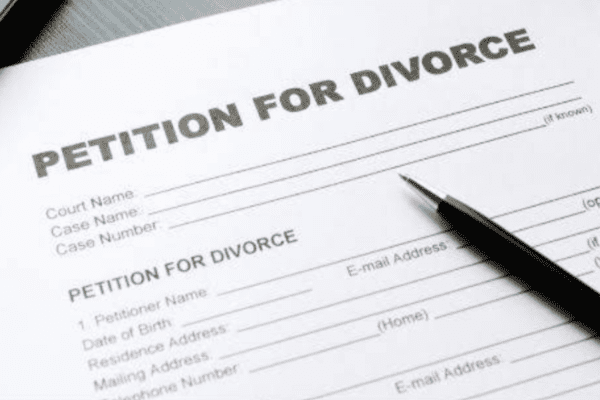
The Chhattisgarh High Court has awarded custody of a minor girl to her mother, citing the need for special care during puberty. The court emphasized that a father cannot adequately address the biological changes a girl undergoes between the ages of 10 to 15.

The Punjab & Haryana High Court has ruled that a wife can seek maintenance under Section 125 CrPC even after receiving alimony if she cannot maintain herself or her children.
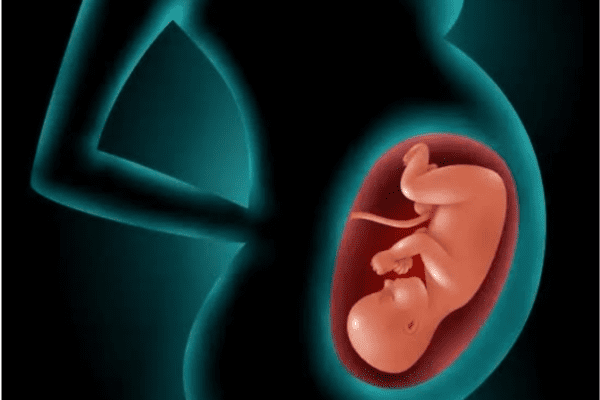
The Bombay High Court has ruled in favor of a woman’s right to terminate her 33-week pregnancy due to severe foetal anomalies. Discover the court’s decision and its impact on reproductive rights.

False cases against men in India are on the rise, with many innocent men suffering from unjust accusations. Learn about the impact of these cases and the urgent need for legal reform.

The Delhi High Court has ruled that husbands and male family members are not entitled to protection under the Domestic Violence Act, emphasizing the act’s primary aim to shield women from abuse.